
Découvrez l’univers passionnant de Casino Vegasino avec Vegasino App et Bonus Exclusifs
01.11.17Comment Explorer le Monde du Casino Unique en Ligne?
11.11.17If you want to treat Tiki Taka Casino as a tool rather than a temptation, this article gives a compact, practical roadmap: how to evaluate its safety, choose profitable game types, use bonuses without falling into traps, and manage your bankroll so losses don’t cascade. Read the checklist, follow the play-style tips, and use the short examples to make better choices in real sessions.
Quick checklist before you deposit
- Confirm licensing and regulation on the site footer.
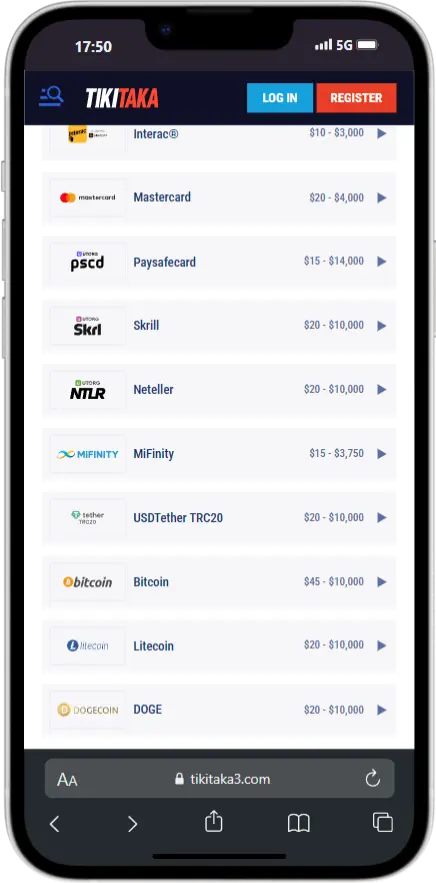
- Scan the banking page for payment methods and withdrawal times.
- Open the Bonus Terms and read wagering requirements and maximum bet limits.
- Check RTP and volatility for the games you plan to play.
- Decide a session budget and a single-session loss limit.
Use this checklist each time you try a new casino feature. If one item fails — for example, withdrawals are slow or terms are ambiguous — reconsider using the platform for larger stakes.
Security, licensing, and fairness — what to look for
Legitimate casinos publish their license number, the issuing regulator (Malta, UKGC, or Curacao), and third-party testing certificates from companies like eCOGRA or iTech Labs. That doesn’t guarantee perfect behavior, but it raises the bar. Pay attention to:
- Whether the license is clickable and leads to the regulator’s verification page.
- Whether the site uses HTTPS and has clear KYC/AML procedures.
- Audit reports or RTP information for games; absence of RTP is a red flag.
If you want to compare official information directly, the site to check is https://tikitakacasino.eu.com/. Use that page to confirm licensing and contact options before staking significant funds.
How to choose games at Tiki Taka Casino (and why it matters)
Different games require different approaches. Treat them as tools with distinct expected values and variance profiles.
Slots: RTP and volatility strategy
Slots dominate most casinos. Your objective is to balance RTP and volatility to fit your bankroll. RTP is a long-run average — it doesn’t guarantee short-term results.
- If you have a small session bankroll (under 50 units), play low-to-medium volatility slots with RTP above 96% to stretch playtime.
- If your goal is a big swing and you can afford a high-variance run, choose high-volatility titles but set a strict stop-loss.
- Always check max win limits. Some bonuses restrict big wins or cap payouts from spins.
Table games and live dealer
Table games let you cherry-pick edge and variance. Blackjack (basic strategy) reduces house edge below 1%, baccarat is low variance, and roulette has predictable odds. Live dealer tables often have higher bet minimums and slower play; use them when you want discipline and fewer spins per hour.
Using bonuses without getting burned
Bonuses can add value, but vendors price in player behaviors. Approach bonuses like purchase decisions: calculate expected value before accepting.
Concrete example
Suppose a 100% match up to 100 units with 30x wagering on bonus funds only. If you deposit 50 units and receive 50 bonus = 100 units total, the wagering requirement is 30 x 50 = 1500 units. If you spin slots averaging 96% RTP, the expected return from playing through the requirement is 0.96 x 1500 = 1440 units — but that number represents theoretical returns before house edge and practical constraints like max bet rules. After the requirement, the expected cash left might be small or negative when you factor in bet limits and excluded games.
A rule of thumb: avoid bonuses where required turnover exceeds 20x your deposit unless the bonus has favorable game contributions and low max-bet restrictions.
Bankroll rules that work
- Session budget: set a single-session bankroll that you can afford to lose (not related to household expenses).
- Stop-loss: quit the session after losing 50% of your session budget; return another day with a fresh plan.
- Win goal: set a modest win target (20–50% of session bankroll) and pocket wins instead of chasing larger jackpots immediately.
Example: with a 200-unit monthly play budget, break it into eight 25-unit sessions. This reduces chasing losses and maintains consistent decision-making.
Mobile play and session design
Mobile interfaces change how you play — quicker spins, smaller bets, and more impulsive behavior. Use the app or mobile site to practice low-stakes sessions that test interface ergonomics: are deposit and withdrawal flows clear, and are help and chat available? If you find it easy to deposit more from mobile, set deposit limits in account settings before you play.
Responsible play and red flags
Identify red flags early: customer support unresponsive, bonus terms impossible to meet, consistent withdrawal delays, or frequent changes to terms after you deposit. Use self-exclusion and limit tools if you notice behavior drift. The purpose of responsible controls is not to kill play, but to preserve long-term enjoyment and financial stability.
Final takeaway — a one-page plan
Before you log in, run this micro-check: license? (yes) — payment options and withdrawal times? — bonus math done? — session budget set? — stop-loss and win target saved? If you can answer yes to all five, you’ve turned an emotional decision into an operational one. That simple habit reduces impulsive losses and makes your time at Tiki Taka Casino more intentional and sustainable.
Small changes — pocketing wins, limiting deposits, and choosing the right games for your bankroll — compound quickly. If you treat the casino like a marketplace and your bankroll like capital, you’ll make clearer decisions and enjoy the play for longer.
